
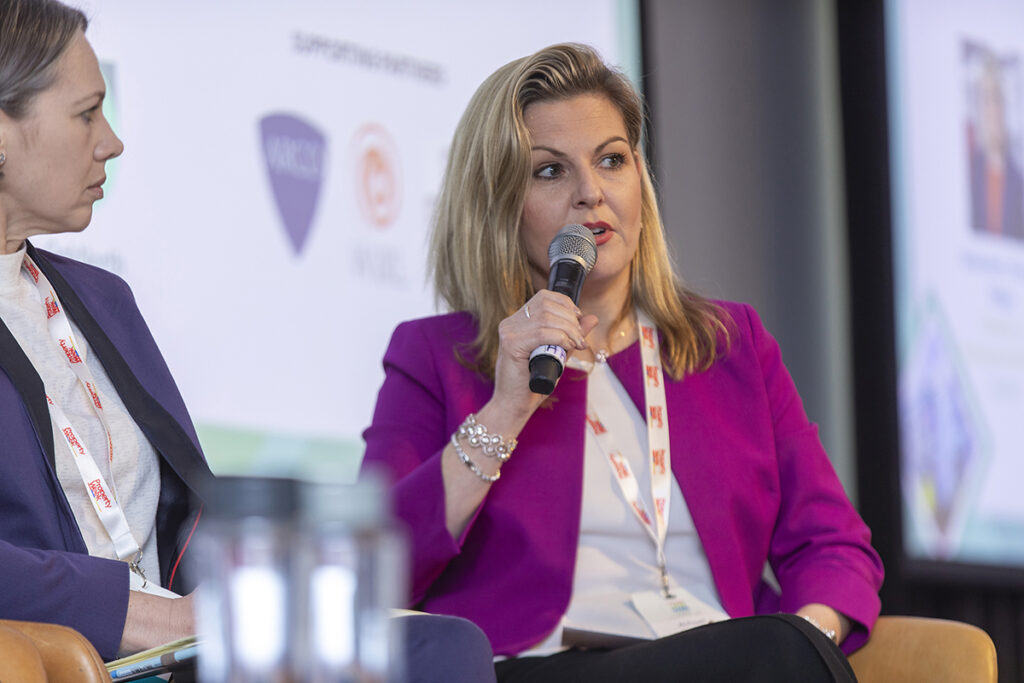
In this issue of Healthcare Matters, we’re featuring Commercial Acceleration as our Care Home Consultant of the Year.
 Commercial Acceleration supports care homes and later-living communities to improve occupancy by strengthening the journey from first enquiry through to move-in. Rather than focusing on one part of the process in isolation, the work looks at what actually shapes a decision. How families find a service, how they are spoken to, and the level of confidence they feel as they move through what is often a complex and emotional process.
These elements come together through the Occupancy Optimiser programme – a structured approach that helps providers identify where things are falling away and put practical improvements in place that lead to measurable results.
Ali Powell, CEO and founder of Commercial Acceleration, works closely with care homes and later-living communities to deliver this approach.
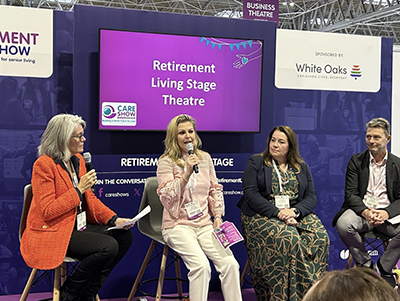 With ten years’ experience in the care sector, alongside a thirty year background in customer experience and service improvement in hospitality, she brings a perspective that bridges both worlds. Her focus is largely on small and medium-sized providers – homes delivering good care, but facing the strain of persistent under-occupancy and rising costs.
“Providers often seek my support when they are struggling with occupancy,” she explains. “Many are looking to increase the proportion of private-fee residents, but the challenge isn’t just about generating enquiries – it’s what happens next.
“My work looks at the full journey, from attracting the right enquiries through to how families are responded to, supported, and guided all the way to move-in.”
The Occupancy Optimiser is designed specifically for regulated care environments and works across four stages:
Insight
It begins with a full review of the customer journey. This includes mystery enquiries, response times, and show-round experiences, helping providers see clearly how families experience their service at first contact.
Diagnosis
Patterns then begin to emerge. Common issues include delayed call-backs, unstructured tours, inconsistent follow-up, unclear fee conversations, and fragile referral relationships – all small moments that can quietly lead to lost opportunities.
 Recommendations
From there, recommendations are developed and linked to measurable indicators such as enquiry levels, conversion rates, and the proportion of private-fee residents.
Implementation
Finally, the focus turns to putting these improvements into practice. This might include strengthening enquiry handling, improving show-rounds, introducing structured follow-up, and supporting managers to guide families more confidently through next steps. The aim is to move from reactive admissions to something far more consistent and predictable.
One 52-bed residential care home was operating at around 72% occupancy and struggling to attract self-funding residents. Enquiries were coming in, but many families were not progressing to assessment. Admissions were largely reactive, rooms remained empty for long periods, and pressure was building.
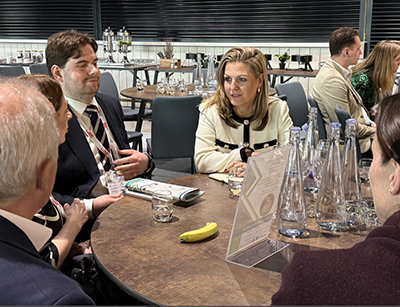 A full review of the journey highlighted familiar issues. Telephone enquiries lacked consistency, show-rounds were unstructured, and follow-up was limited. Families were often left to make decisions on their own at a time when they most needed guidance.
The changes were practical, but made a clear difference. Enquiries were handled more consistently, show-rounds followed a clear and supportive structure, and follow-up became planned and tracked rather than left to chance. Staff felt more confident in emotional conversations and funding discussions, while the manager was supported to guide families through next steps rather than simply provide information.
Within six months, occupancy increased from 72% to 93%. Enquiries rose, more families chose to move forward, and vacant rooms began to fill more quickly. The proportion of self-funding residents improved, vacancy periods reduced, and the home moved from reactive gap-filling to a more stable and predictable admissions flow.
Ali is clear that occupancy isn’t just a commercial metric.
Families looking for care aren’t acting like typical consumers. Decisions often follow a hospital discharge, a progression in dementia, or a point where care at home is no longer sustainable. At that stage, people are often overwhelmed, under pressure, and looking for reassurance as much as information.

When the admissions process is unclear or inconsistent, families can lose confidence or delay decisions altogether. That can mean individuals remaining in unsafe situations at home or experiencing longer hospital stays.
Improving the admissions experience helps change that. It supports families to move forward with greater clarity and confidence, while also helping providers maintain stable, sustainable services.
“When communication is structured, empathetic and consistent, families feel more able to make safe decisions. That’s where trust is built – and when trust is there, admissions become far more predictable.”
Over the past 12 months, Commercial Acceleration has delivered strong results across approximately 70 care homes.
 Average occupancy increased from around 78% to 93%, equating to roughly seven additional residents in a typical 50-bed home. Lead-to-move-in conversion rates rose from 13% to 31%, helping families move through decisions more quickly and confidently.
The proportion of private-fee residents also increased, with average weekly fees rising from £1,550 to £1,990. Managers reported feeling more confident discussing the value of care, and homes attracted a higher proportion of appropriate self-funding residents.
This translated into an estimated £700,000 increase in annualised revenue capacity per home – over £50 million across all providers supported.
Operationally, the work has helped embed more consistent admissions processes, including enquiry tracking and structured follow-up. This has reduced reliance on emergency placements and supported more stable workforce planning.
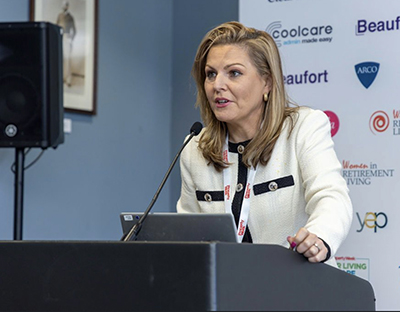
Demand for Commercial Acceleration’s services continues to grow as providers recognise that occupancy is shaped by the entire experience – not just marketing, but every interaction that follows.
As pressures across the sector increase, the need for practical, measurable improvements has become even more important. Strengthening the admissions journey is proving to be one of the most effective ways to do that.
Reflecting on the award, Ali said, “It is a real honour to receive this recognition. The work we do supports providers delivering essential services within their communities, so it’s incredibly rewarding to see that impact acknowledged.
“For me, it also highlights the importance of improving the experience families have when they are looking for care. When that’s done well, everyone benefits – residents, families, staff, and providers alike.”
T 0203 538 8018
ali@comaccel.co.uk
https://comaccel.co.uk