
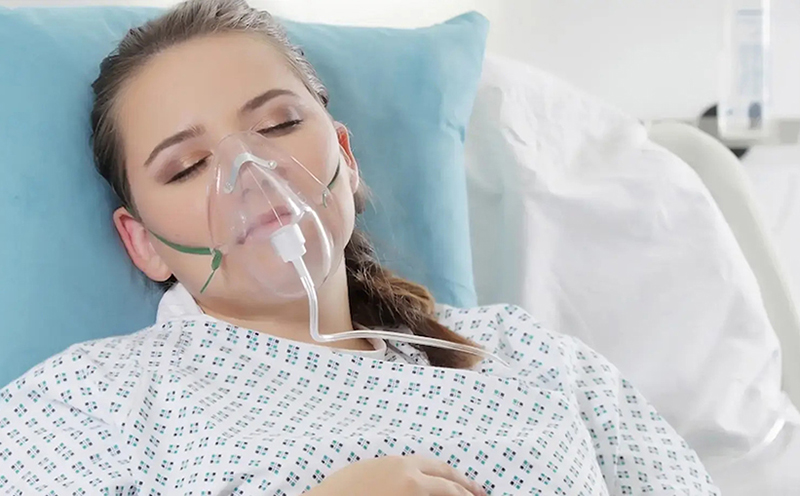
In an ICU, oxygen flows at a regulated pressure of around 4 to 5 bar, while a vacuum line operates under negative pressure. Both are accessed for clinical use through a small but critical component within the medical central gas system, the medical gas outlet.
 Now imagine the wrong outlet installed at the bedhead unit or an incompatible probe forced into a terminal. This is not a minor technical issue. It is an immediate risk to patient safety.
As the final point of delivery in the medical gas pipeline system, medical gas outlets must ensure the correct gas, pressure, and connection every time. Choosing the right outlet reduces the risk of misconnections, leaks, and operational failures.
From gas type and outlet standards to installation, safety features, and future readiness, this blog explains how to choose the right medical gas outlets for hospital use.
What is a gas outlet in a hospital?
A medical gas outlet is a fitting or socket installed at the bedside, on walls, or on ceiling-mounted pendants or columns. It serves as the point of use for medical air, oxygen, and vacuum and allows secure connection of gas hoses or equipment, such as flowmeters or suction devices.
Each outlet is connected to the central gas pipeline network and delivers one specific gas at a regulated pressure and flow rate.
Where are medical gas outlets installed in a hospital?
Medical gas outlets are installed where immediate access to medical gases is required, including:
- Critical care areas: Operating theatres, ICUs, NICUs, PACUs
- Acute care: Emergency departments and resuscitation bays
- General wards: Gas and vacuum outlets at each patient bed
- Specialised areas: Procedure and diagnostic rooms, MRI suites, and isolation rooms
Placement of gas outlets determines how easily staff connect equipment, respond during emergencies, and access outlets for maintenance. Poor positioning of gas outlets can strain hoses, obstruct workflow, or complicate maintenance, even when the outlet itself meets technical standards.
For this reason, outlet location is a fundamental part of selecting the right medical gas outlet and should never be treated as a second thought. Any compromise at this level can affect the performance of the entire medical gas system.
Factors to consider while choosing med gas outlets
While a gas outlet may appear simple, selecting the right one is not. Gas type, outlet standards, mounting options, and long-term maintenance all need to align to ensure safe and reliable operation. The following factors explain how to choose the right medical gas outlet for hospital use.
Factor 1: Identify the medical gas required
Choosing the correct medical gas outlet begins with identifying the gas (or vacuum) it will deliver. Each medical gas has unique pressure, flow,
and performance requirements, which demand a dedicated outlet design.
Common gases supplied through a med gas outlet include the following:
1) Oxygen (O2)
2) Nitrous oxide (N2O)
3) Medical air
4) Vacuum (not a gas but has its own outlet)
For example, an outlet used for respiratory support must deliver stable pressure, while a vacuum outlet must maintain consistent suction. Med gas outlets are clearly identified using region-specific colour coding and labelling. This makes them non-interchangeable and reduces the risk of human error.
Factor 2: Understand outlet standards and compatibility
Each medical gas is supplied through a dedicated pipeline and fitted with a gas-specific outlet design and connection mechanism to prevent misconnection.
Medical gas outlets must comply with recognised regional standards such as DIN, BS, AFNOR, SS, or DISS medical gas outlets. These standards define how outlets connect to probes, hoses, and terminal units.
Gas-specific indexing ensures that only the correct probe fits into a given outlet. Even if two outlets look similar, their internal keying and pressure regulators differ. Mixing incompatible systems increases the risk of misconnections, operational failures, and equipment damage.
Factor 3: Choose the right mounting type
The mounting type of a medical gas outlet affects how easily clinical staff access gases, how equipment is connected, and how safely the outlet can be maintained. The right choice depends on clinical workflow, space constraints, and maintenance access.
Medical gas outlets can be installed as wall-mounted units, either flush-mounted within recessed outlet boxes or surface-mounted for easier access. Flush-mounted outlets provide a clean finish and protect internal components, while surface-mounted outlets are often preferred in retrofit projects or areas where accessibility for inspection and maintenance is important.
In wards and ICUs, gas outlets are commonly integrated into bedhead units, alongside electrical sockets, data ports, and nurse call systems. This centralises services at the bedside and helps reduce hose clutter.
In high-acuity areas such as operating theatres, gas outlets are often integrated into ceiling-mounted pendants or columns. These systems allow outlets to be positioned closer to the point of care and adjusted as clinical needs change.
In short, ensure the outlet location supports daily clinical use, avoids hose strain or obstruction, and allows safe access for inspection and maintenance throughout its service life.
Factor 4: Ensure safety and regulatory compliance
Medical gas outlets are used in high-pressure clinical environments where mistakes are not an option. Their design must support safe, intuitive use under routine and emergency conditions.
To reduce the risk of incorrect connections or gas leakage, outlets rely on built-in safeguards such as the following:
- Self-sealing mechanisms to automatically stop gas flow when disconnected, reducing the risk of leakage.
- Gas-specific keying to prevent incorrect probe insertion and misconnections.
- Colour-coding and labelling to enable quick and accurate identification of gas lines.
Factor 5: Consider installation, maintenance, and lifecycle costs
While seamless installation is essential, long-term maintenance defines true value. Outlets must remain visible, clearly identified, and accessible without obstruction.
Factor 6: Think about future expansion
Hospitals continuously evolve as departments expand, care models change, and demand for medical gases increases. Selecting standardised medical gas outlets that align with long-term infrastructure plans helps simplify future modifications and upgrades.
To learn more about our solutions or get expert advice on your equipment needs, connect with our team today:
T +44 (0)1942 292950
sales@gcegroup.com
www.gce-medical.com/en-gb