

Testing medical equipment is essential across NHS hospitals, but manual workflows can slow teams down. OneQA from Fluke Biomedical helps healthcare organisations streamline safety testing, reduce administrative burden, and improve consistency while supporting compliance with required standards of care.
 Across the UK, NHS hospitals are operating in an environment defined by increasing demand, constrained resources, and growing expectations around patient safety and regulatory compliance. Within this context, clinical engineering and healthcare technology management teams play a critical role in ensuring that medical devices are safe, functional, and ready for use. Electrical safety testing is a core component of this responsibility. However, in many hospitals, the processes that support testing remain heavily manual. Engineers are often required to configure test equipment, document results, transfer data between systems, and prepare reports for audit purposes. While these steps are necessary, they can introduce inefficiencies, increase administrative workload, and create opportunities for inconsistency.
Workflow automation solutions such as OneQA from Fluke Biomedical are increasingly being considered by NHS organisations as part of broader digital transformation efforts. By digitising and standardising quality assurance processes, hospitals can move towards more structured and connected workflows for testing and documentation.
 The evolving landscape of electrical safety testing
Electrical safety testing is essential for verifying that medical equipment operates within defined limits. Devices such as infusion pumps, defibrillators, ventilators, and patient monitors must be tested regularly to support safe clinical use and to meet regulatory expectations.
Historically, these tests have relied on manual processes. Engineers may follow locally defined procedures, record measurements by hand or in spreadsheets, and later upload or re-enter this information into asset management systems. In large NHS trusts managing thousands of devices across multiple sites, this approach can be time-consuming and difficult to standardise.
Manual workflows can also make it more challenging to maintain consistent documentation across teams. Variations in how tests are performed or recorded may lead to gaps in audit trails or require additional time to verify records during inspections.
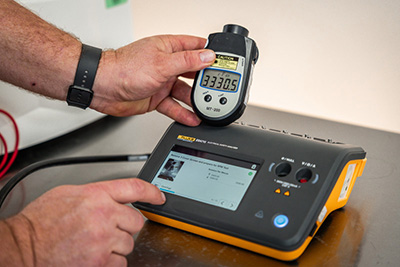
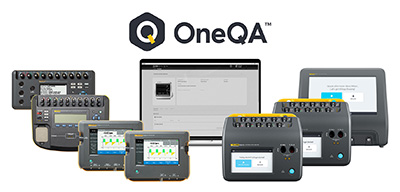
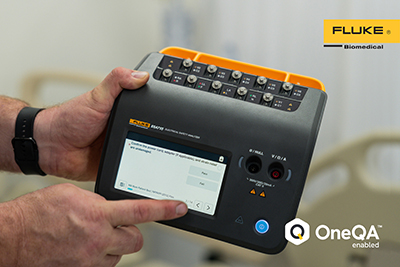
OneQA is designed to reduce some of this operational friction by providing a digital framework for test execution and data capture. The software can connect with compatible Fluke Biomedical test instruments, such as the ESA700 Series for electrical safety testing, alongside devices used for cardiac and ventilator performance testing. Using predefined test sequences, engineers can follow structured workflows, with results recorded digitally in real time. This approach can help reduce the need for manual transcription and create a more consistent format for storing and reviewing test data. For NHS biomedical teams, the practical outcome is often a more streamlined testing process, with clearer visibility of results and a more accessible record of completed work.
 Integration with existing NHS systems
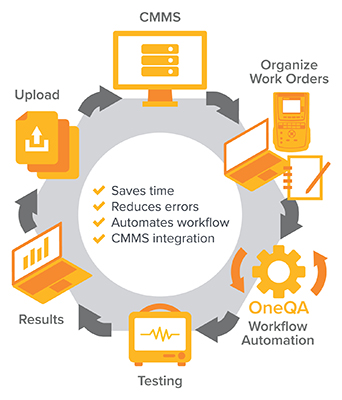
Most NHS trusts already use digital systems to manage their medical equipment inventories and maintenance schedules. These systems, often aligned with Computerised Maintenance Management Systems (CMMS), play a central role in tracking asset history, scheduling preventive maintenance, and supporting compliance reporting.
However, quality assurance testing data is not always fully integrated into these platforms. In some cases, test results are stored separately or uploaded manually, creating duplication of effort and increasing the risk of incomplete records. OneQA includes integration capabilities that allow test data to be shared with external systems through APIs. This makes it possible for NHS organisations to link testing workflows more closely with their existing asset management infrastructure.
When implemented effectively, this type of integration can reduce the need for duplicate data entry and provide a more up-to-date view of equipment status. It may also support audit preparation by ensuring that relevant documentation is easier to retrieve and review. In the UK, regulatory oversight from organisations such as the Care Quality Commission places a strong emphasis on accurate record-keeping and traceability. Having a more connected data environment can help trusts respond to these expectations in a structured and efficient way. In addition, integrated data can support more informed decision-making. Clinical engineering managers may be better positioned to identify upcoming compliance requirements, monitor maintenance backlogs, and assess patterns in equipment performance over time.
 Supporting efficiency in a resource-constrained environment
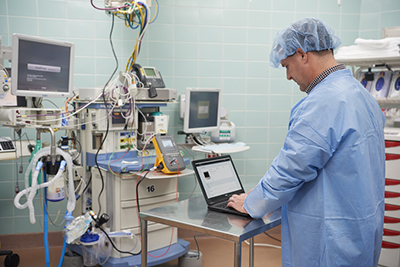
Efficiency is a key priority for NHS organisations, particularly as workforce pressures continue to affect clinical engineering teams. Time spent on administrative tasks, such as documentation and reporting, can limit the capacity available for hands-on technical work. Automation can help address this challenge by reducing the amount of manual input required during testing and reporting. When results are captured digitally and reports are generated automatically, engineers can focus more of their time on testing and problem-solving activities.
Shorter testing cycles may also contribute to improved equipment availability. When devices spend less time out of service for testing, they can be returned to clinical use more quickly, which is particularly important in high-demand environments.
Another important consideration is workforce development. As experienced biomedical engineers retire or move into different roles, NHS trusts face the challenge of maintaining skills and consistency across teams. Structured workflows and predefined test sequences within platforms like OneQA can support onboarding and training by providing clear guidance on how tests should be performed. While this does not replace formal training, it can act as a useful reference point for less experienced staff and help promote consistency in day-to-day operations.
 Compliance and data governance considerations
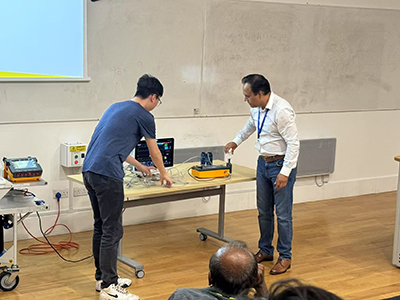
Compliance is a central requirement in healthcare technology management. NHS organisations must demonstrate that medical devices are tested and maintained in line with relevant standards and internal policies. OneQA supports this by creating digital records of testing activity, including timestamps and associated data. These records can contribute to a more complete audit trail, which may be reviewed during internal assessments or external inspections.
From a data governance perspective, centralising test data within a connected system can reduce reliance on paper-based records or disconnected files. This may lower the risk of lost or incomplete documentation and make it easier to apply consistent data management practices across departments. In addition to supporting compliance, centralised data can also be used for analysis. Over time, organisations may be able to identify trends in equipment performance, recurring faults, or areas where maintenance strategies could be adjusted. This type of insight can contribute to longer-term planning, including decisions around equipment replacement, servicing intervals, and resource allocation.
Encouraging consistency across NHS organisations
Large NHS trusts and integrated care systems often operate across multiple hospitals and community sites. Ensuring consistency in testing procedures and documentation across these locations can be challenging. Digital workflow platforms can help address this by providing a standardised approach to testing. When teams use the same processes and templates, it becomes easier to compare results, share information, and maintain alignment with organisational policies. Consistency can also support collaboration between departments. When data is recorded in a common format, it is easier for teams to review and interpret results, even if they are working in different locations. Over time, this can contribute to a more co-ordinated approach to equipment management across the organisation.
 Local Expertise: Supporting NHS adoption in the UK
In the UK, NHS organisations are supported by Ultramedic Ltd, the exclusive distributor of Fluke Biomedical solutions. With a long and well-established presence in the market, Ultramedic has developed strong relationships with clinical engineering teams across the country.
In addition to supplying Fluke Biomedical devices, Ultramedic is actively involved in training and supporting biomedical engineers. This includes providing hands-on training programmes that help teams become familiar with testing equipment and associated software tools, as well as sharing best practices aligned with UK healthcare requirements. Ultramedic also works closely with NHS customers to understand local operational challenges. This includes supporting efforts to align OneQA with commonly used CMMS platforms in the UK, helping trusts explore how workflow automation can fit within their existing digital infrastructure. This combination of product access, training, and ongoing collaboration reflects an approach that is tailored to the specific needs of the NHS. Rather than a one-size-fits-all implementation, organisations can draw on local expertise to shape how automation is introduced and used in practice.
 Looking Ahead: From manual processes to connected workflows
As NHS organisations continue to invest in digital transformation, there is increasing focus on connecting systems, improving data quality, and reducing reliance on manual processes. Workflow automation in quality assurance is one area where these objectives intersect. By moving towards more structured and integrated approaches to testing, hospitals can begin to address some of the inefficiencies associated with traditional methods. It is important to recognise that technology alone does not resolve all challenges. Successful adoption depends on training, process alignment, and ongoing support. However, when implemented thoughtfully, automation can form part of a broader strategy to improve how medical equipment is managed and maintained.
Learn more
For NHS organisations interested in exploring workflow automation for quality assurance, Ultramedic can provide further information and guidance. With an established presence in the UK market, experience working with NHS trusts, and a focus on training and customer collaboration, Ultramedic is well positioned to support hospitals at different stages of their digital journey. Reaching out to Ultramedic can help your organisation better understand how solutions like OneQA may align with your current systems, processes, and operational priorities.
T +44 (0)151 228 0354
sales@ultramedic.com
www.ultramedic.com