
For care providers, managing malodour isn’t simply about keeping a building smelling fresh. Persistent odours can affect resident dignity, staff morale and visitors’ perceptions, making effective odour management an important part of delivering high-quality care.
 The hidden challenge of malodour
Malodour is not always obvious and isn’t always linked to visible contamination. Odours can build up over time in areas where they become trapped, including soft furnishings, carpets, mattresses, skirting boards, radiators, waste areas and drains.
Common sources include bodily fluids, incontinence incidents, infected wounds, food and drink spillages, and stale air. Without effective treatment at the source, these odours can quickly return.
Why a structured approach matters
Successfully managing malodour requires more than masking unpleasant smells or carrying out routine surface cleaning. A consistent process helps identify the source, treat it effectively and reduce the likelihood of recurring odours.
A simple four-step approach includes:
1) Identify the source: Check soft furnishings, flooring and hidden or high-risk areas where odours can develop.
2) Clean thoroughly: Use an appropriate cleaning product and equipment to remove visible contamination.
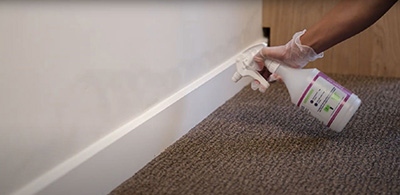
3) Treat the affected area: Apply an odour-eliminating solution designed to break down and eliminate odours at their source, particularly within carpets and upholstery.
4) Allow sufficient contact time: Leave the product to work and repeat the process if required for persistent odours.
Supporting better outcomes
A proactive approach to malodour management can help create a more pleasant environment for residents, support dignity and wellbeing, improve the experience for visitors and families, and maintain high housekeeping and hygiene standards. Consistency is particularly important in busy care environments, where effective routines help prevent odours from becoming established.
A practical solution
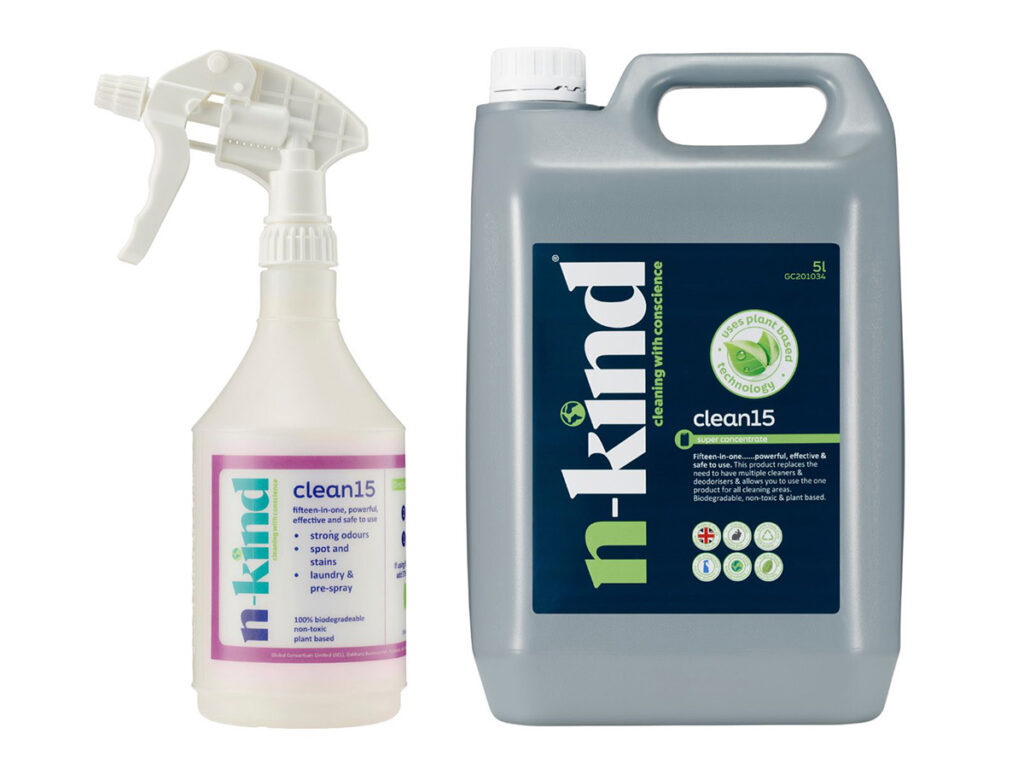
For care providers looking for a dedicated solution, n-kind clean15 has been developed to help tackle malodour at its source. Suitable for use on carpets and upholstery when used in accordance with guidance, it forms part of the wider n-kind range of effective, more responsible cleaning solutions.
n-kind clean15 is also GreenTag certified, helping care providers make more sustainable product choices without compromising cleaning performance.
Conclusion
Malodour is a common challenge in care environments, but with the right processes and products it can be effectively managed. By identifying and treating the source rather than simply masking odours, care teams can maintain fresher, more welcoming environments that support residents, staff and visitors alike.
For more information, please see below:
T +44 (0)330 055 2288
info@blueleafcare.com
www.blueleafcare.com