
By Dr Jonathan Krell, Consultant Oncologist and Co-Founder of My Doctor’s Recipe
Malnutrition remains one of the most significant yet often overlooked challenges facing health and social care services across the UK.
 While much attention is rightly given to medical treatments, medications and care plans, the simple act of eating enough food can become increasingly difficult for many older adults. Loss of appetite, changes in taste, swallowing difficulties, dementia, frailty, chronic illness and medication side effects can all contribute to reduced food intake. Unfortunately, the consequences can be profound.
Poor nutritional intake is associated with weight loss, muscle wasting, reduced mobility, increased falls risk, delayed recovery from illness, higher rates of hospital admission and reduced quality of life. For care providers already managing increasing demands on services, supporting residents to maintain adequate nutrition is becoming an increasingly important priority.
Yet despite best intentions, many care homes face a common challenge: what happens when residents simply do not want to eat?
 The problem isn’t always availability
In most care settings, food is readily available. Menus are carefully planned, dietary requirements are considered and staff work hard to encourage residents to eat.
However, appetite is not something that can be prescribed.
Many residents may only manage small portions. Others become fatigued during meals or lose interest after a few mouthfuls. Some develop a preference for sweet foods whilst rejecting savoury meals. For those living with dementia, food preferences can also change significantly over time.
In these situations, traditional approaches to nutritional support can sometimes fall short. Oral nutritional supplements can be effective for some individuals, but not everyone enjoys them. If a product is left unfinished, its nutritional value is never fully realised.
This highlights a challenge that extends across all areas of nutritional care: nutritional interventions can only be effective if they are consumed.
 Why adherence matters
The healthcare sector has traditionally focused on the nutritional composition of foods and supplements, which is entirely appropriate. Calories, protein, vitamins and minerals are all important.
However, adherence is often the determining factor in whether nutritional support succeeds in practice.
The most carefully designed nutritional intervention cannot improve outcomes if it remains unfinished on a bedside table or is repeatedly declined by the person it is intended to help.
This is where enjoyment becomes important.
When appetite is reduced, people often gravitate towards foods that are familiar, comforting and pleasurable to eat. Ice cream has long been popular among many older adults because it is easy to eat, refreshing and often well accepted even when appetite is poor.
This is particularly relevant in care homes, where residents may struggle to consume large meal portions but may still willingly enjoy a small dessert or snack throughout the day.
The question therefore becomes not only how much nutrition a product contains, but whether people actually want to consume it.
A more patient-centred approach to nutrition
Increasingly, healthcare is moving towards more personalised and patient-centred models of care. Nutrition should be no exception.
A patient-centred approach recognises that nutritional value and enjoyment are not competing priorities. In fact, they may be closely linked.
By considering taste, texture, familiarity, convenience and individual preference alongside nutritional composition, there is an opportunity to improve both adherence and nutritional intake.
 This does not mean replacing existing nutritional strategies. Rather, it means recognising that different people respond to different approaches and that a wider range of nutritional options may help more individuals achieve their nutritional goals.
Combining nutritional science with enjoyment
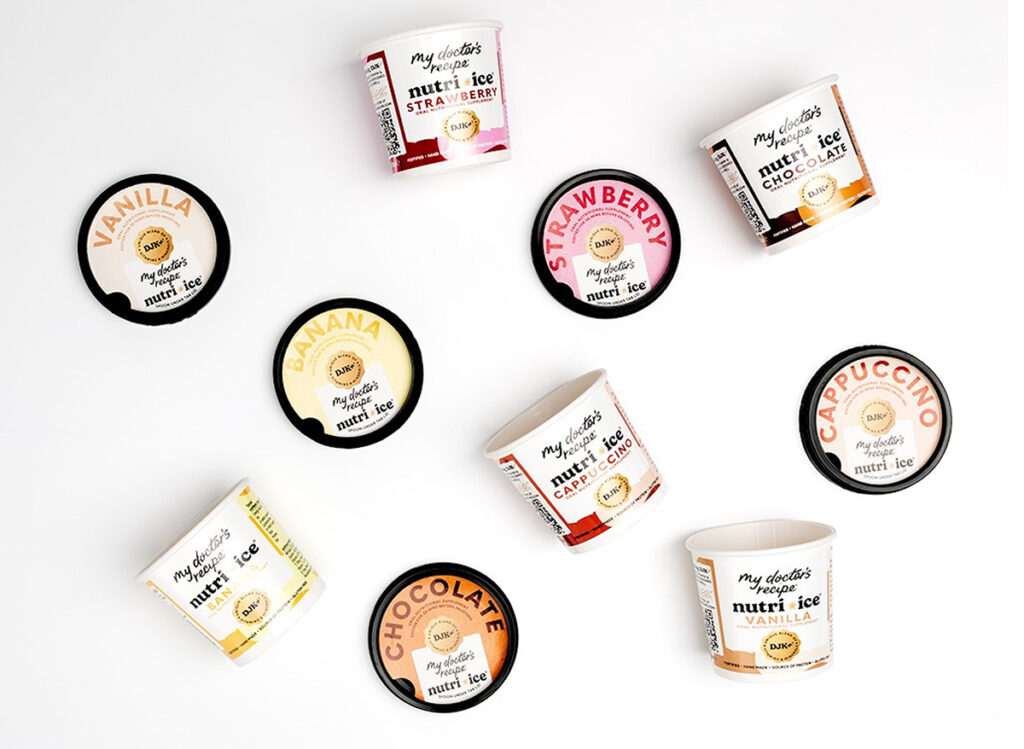
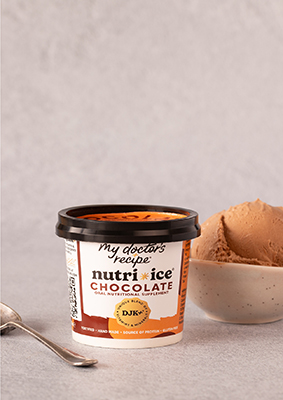
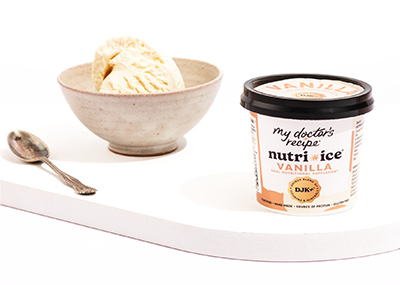
At My Doctor’s Recipe, we have been exploring how nutritional science can be delivered through formats that people genuinely enjoy consuming.
Our work has focused on developing fortified foods that provide meaningful amounts of energy, protein and micronutrients within small, easy-to-consume portions.
The principle is straightforward: if nutritional support is enjoyable, there is a greater likelihood that it will be consumed consistently.
Importantly, the aim is not to replace meals or established nutritional interventions, but to complement existing strategies and provide additional options for individuals who may struggle with appetite or find conventional supplements difficult to tolerate.
Supporting residents, families and care teams
One of the most encouraging aspects of working in this area has been hearing feedback from carers, families and care teams.
For many residents, nutrition is not simply a clinical issue. It is closely connected to enjoyment, routine, comfort and quality of life.
Small nutritional interventions, delivered consistently and in formats that residents enjoy, can help support weight maintenance, energy levels and overall wellbeing.
For care teams, this can help transform nutrition from a task that requires constant encouragement into a more positive and engaging experience for everyone involved.
 Looking ahead
As the care sector continues to seek innovative ways to improve resident outcomes, nutritional support deserves greater attention.
We believe there is an opportunity to rethink how malnutrition is addressed by combining nutritional science with enjoyment, dignity and patient-centred care.
After all, the most effective nutritional intervention is often not the one with the highest calorie content or the most sophisticated formulation.
It is the one that people actually consume.
If we can make nutrition something residents look forward to rather than something they feel obliged to take, we may be able to improve not only nutritional intake but also the overall care experience and quality of life for those we support
 About the author
Dr Jonathan Krell is a Consultant Medical Oncologist and Associate Professor at Imperial College London with a specialist interest in cancer nutrition and supportive care.
He is also Co-Founder and Medical Director of My Doctor’s Recipe, a UK company focused on developing patient-centred nutritional products designed to support individuals at risk of malnutrition. My Doctor’s Recipe work with care homes, healthcare providers and clinical teams across the UK.
To learn more, request samples, or discuss how fortified ice cream could fit into your nutritional support strategy,
please contact:
hello@mydoctorsrecipe.co.uk
www.mydoctorsrecipe.com
We would be delighted to discuss opportunities with care home groups, healthcare organisations and nutrition leads looking for new ways to support the people in their care.